


The Allure of Risk and Reward
The psychology of gambling is deeply intertwined with the concepts of risk and reward. Many individuals are naturally drawn to the thrill of uncertainty, where high stakes can lead to significant payoffs, especially when exploring options like online casino canada fast withdrawal that offer quick returns. This phenomenon is often linked to the brain’s reward system. When a player experiences a win, their brain releases dopamine, creating feelings of pleasure and reinforcing the behavior. This positive feedback loop can encourage repeated gambling as individuals chase the euphoric or addictive high of winning. The excitement becomes a powerful motivator, propelling players to engage in gambling activities more frequently.
The anticipation that accompanies gambling also plays a critical role in its allure. The buildup before a spin of the roulette wheel or the draw of a card heightens emotional responses, creating a form of suspense that can be intoxicating. Customers often find that the excitement stems from the possibility of hitting a jackpot, leading them to gamble more frequently. This behavior illustrates the psychological motivations behind why people are willing to risk their hard-earned money for the chance at an exhilarating experience. As players imagine the potential rewards, they become increasingly invested in each game.
Moreover, the social environment of casinos enhances this allurement. Gamblers often partake in these activities with friends or strangers, adding an element of camaraderie to the experience. Shared excitement and collective anticipation can further amplify the appeal of gambling, making it less about the simple financial transaction and more about the social interaction. This communal aspect can lead to increased gambling behavior as individuals feed off each other’s energy and enthusiasm, reinforcing their own desire to participate and win.
The Illusion of Control
An intriguing aspect of gambling psychology is the illusion of control that many players exhibit. Many individuals believe that they can influence the outcome of games through skill, strategy, or intuition, even when outcomes are fundamentally random. This cognitive bias is prevalent in games like poker or blackjack, where players feel that their decisions can sway the game’s results. Such beliefs can lead players to engage more frequently in gambling, often overlooking the inherent probabilities and odds of the games. The more a player believes in their control, the more they may gamble, unaware of the risks involved.
Additionally, the illusion of control can manifest in the form of superstition and rituals. Gamblers often develop personal rituals or superstitious behaviors, such as wearing a lucky charm or following a specific routine before placing their bets. These behaviors stem from the desire to gain a sense of control over an otherwise unpredictable scenario. Such actions may enable players to cope with anxiety and uncertainty, reinforcing their commitment to gambling despite the randomness of outcomes. This psychological mechanism not only solidifies their involvement but also deepens their emotional investment in the activity.
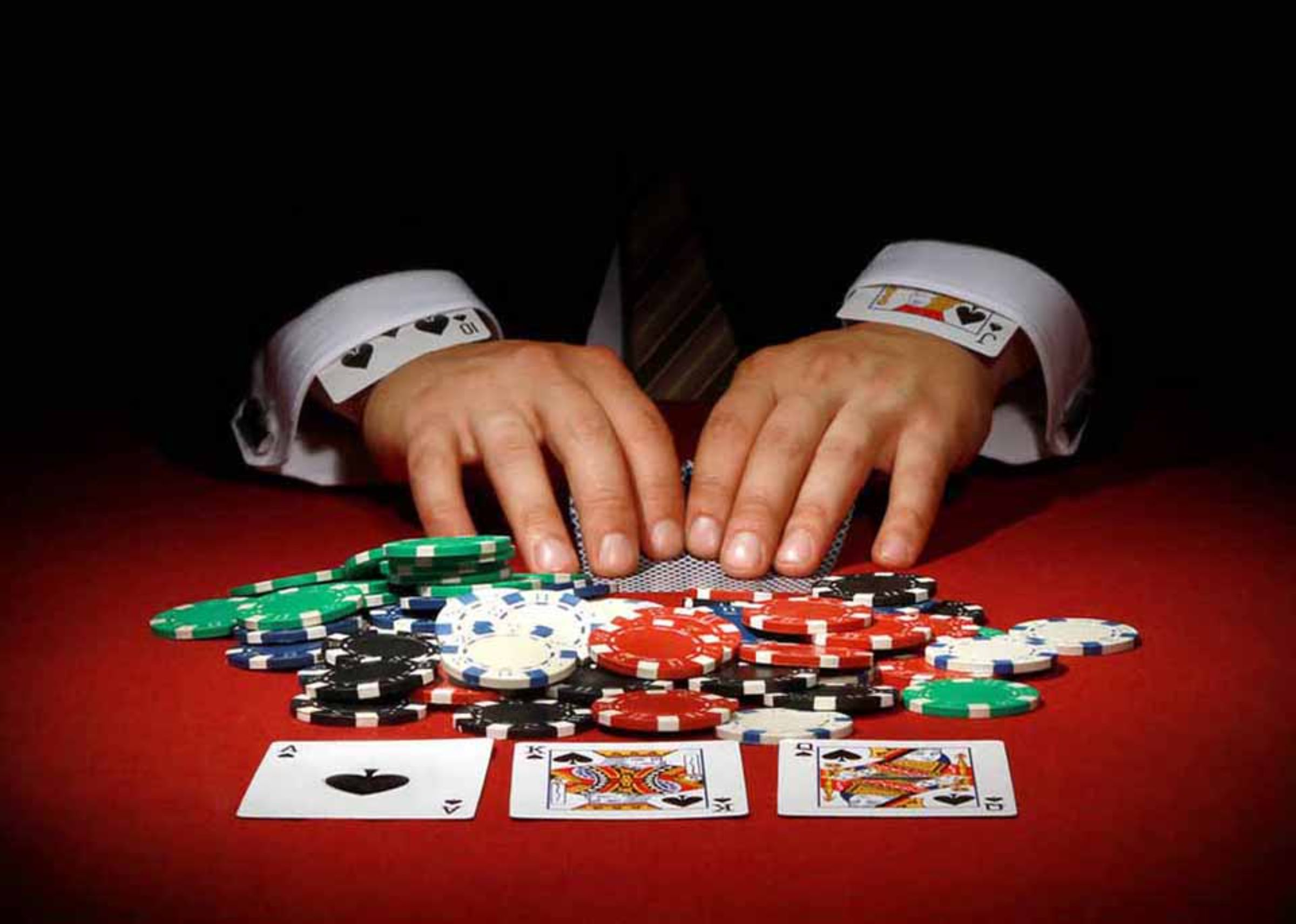
This overestimation of control may result in increased financial losses, as players continue to gamble under the mistaken belief that they can outsmart the odds. The psychological impact of this illusion can hinder a gambler’s ability to recognize when to stop, often leading to problematic gambling behaviors. Ultimately, this highlights the importance of understanding the mental frameworks that drive gambling behavior and the consequences of misjudging control in such high-stakes environments. Awareness of this bias is crucial for players seeking to maintain a healthy relationship with gambling.
The Impact of Environment and Design
The environment of a casino is meticulously crafted to enhance the gambling experience and elicit specific psychological responses. From the moment individuals step through the doors, they are enveloped in an atmosphere designed to stimulate their senses. Bright lights, engaging sounds, and enticing decor are strategically deployed to create an immersive experience that distracts players from the passage of time and the reality of their spending. This sensory overload can lead to extended gambling sessions, as players lose track of their surroundings amidst the excitement. The design of casinos is a carefully orchestrated symphony aimed at maximizing engagement.
Furthermore, the layout and design of casinos contribute to continuous gambling. Slot machines and gaming tables are often arranged to encourage exploration and movement throughout the space. By creating a labyrinthine layout, casinos can keep players circulating through the gaming floor, increasing the likelihood of further gambling. The absence of clocks and windows enhances this effect, as players remain unaware of the time spent inside the casino. This psychological manipulation can lead to significant financial losses, as individuals may gamble for longer periods than initially intended. The environment is crafted to entice, ensnaring players in a cycle of play.
Additionally, promotional tactics such as complimentary drinks and loyalty programs are designed to further entice gamblers. These incentives create a sense of belonging and reward for participants, fostering an environment where players feel appreciated and valued. The psychological impact of these strategies can lead individuals to gamble more aggressively, as they want to capitalize on the perceived benefits offered by the casino. Understanding how the physical environment and design influence gambling behavior is crucial in discerning the motivations behind such activities and the potential for habit formation.
The Role of Emotional and Psychological Factors
Emotions play a significant role in gambling behavior, impacting decision-making processes and risk tolerance. Many individuals turn to gambling as an escape from daily stressors or emotional difficulties. The thrill of gambling can provide a temporary release from negative emotions, allowing players to forget their problems. However, this coping mechanism can also lead to an unhealthy reliance on gambling as a source of relief, creating a cycle of emotional highs and lows. As players chase the temporary highs, they may neglect the long-term consequences of their actions.

Moreover, psychological states such as excitement, frustration, and anxiety can heavily influence gambling decisions. Players often experience heightened emotions during gameplay, which can lead to impulsive betting and riskier decisions. For instance, a person who experiences a losing streak may feel compelled to chase losses in an attempt to regain their funds, leading to even more significant financial difficulties. The interplay between emotions and gambling choices emphasizes the importance of emotional regulation in maintaining a balanced approach to gaming. Players must learn to recognize their emotional triggers to avoid impulsive decisions.
In addition, understanding cognitive biases such as the gambler’s fallacy—the belief that past results can influence future outcomes—can help explain why gamblers may persist in their activities despite evidence to the contrary. Individuals may cling to the notion that they are due for a win after a series of losses, leading to irrational decision-making. This psychological perspective reveals the complexity of gambling behavior and highlights the need for education and awareness surrounding the mental factors at play. Recognizing these biases can empower players to make more rational decisions.
Gambling Awareness and Responsible Gaming
As the popularity of casinos and online gaming continues to grow, the importance of gambling awareness and responsible gaming cannot be overstated. Understanding the psychological mechanisms underlying gambling behavior can empower individuals to make informed decisions about their gaming habits. Awareness campaigns play a vital role in educating players about the risks associated with gambling and promoting healthy strategies for managing their behavior. Such initiatives can foster a culture of responsible gaming, where enjoyment is prioritized over financial loss.
Responsible gaming practices include setting limits on spending, recognizing the signs of problem gambling, and seeking help when necessary. Many organizations offer resources and support for individuals grappling with gambling addiction, emphasizing the importance of intervention and recovery. By fostering an environment of accountability and education, casinos and communities can work together to mitigate the negative consequences of gambling. The commitment to support and education can create a healthier gaming environment for everyone involved.
Furthermore, the role of technology in promoting responsible gaming has become increasingly significant. Casino operators are integrating tools such as self-exclusion programs and spending limits into their platforms. These features allow players to take control of their gambling practices and ensure a healthier gaming experience. By prioritizing education, awareness, and responsible play, the gambling industry can help foster a safer environment for all participants. Ultimately, responsible gaming practices can contribute to a more sustainable gaming culture that benefits both players and operators alike.